People often ask me what kind of artist I am, expecting me to name a category and be done with it. None of the usual labels is the answer. I am an impact artist, and I mean something specific by that word. It’s something I’ve spent years clarifying, both in my studio and in front of audiences at COP30 and LA Climate Week.
I define impact art not as a genre but as a methodology: one that recognizes aesthetic production as inseparable from ecological and cultural consequence. That’s a dense sentence, so let me unfold it. A genre is a category of style, like landscape, portraiture, or abstraction. A methodology is a way of working, a discipline that governs every decision. When I say impact art is a methodology, I mean that the ecological and human consequences of a work are not a theme I depict from a safe distance. They are built into how the work is made, funded, sited, and released into the world.
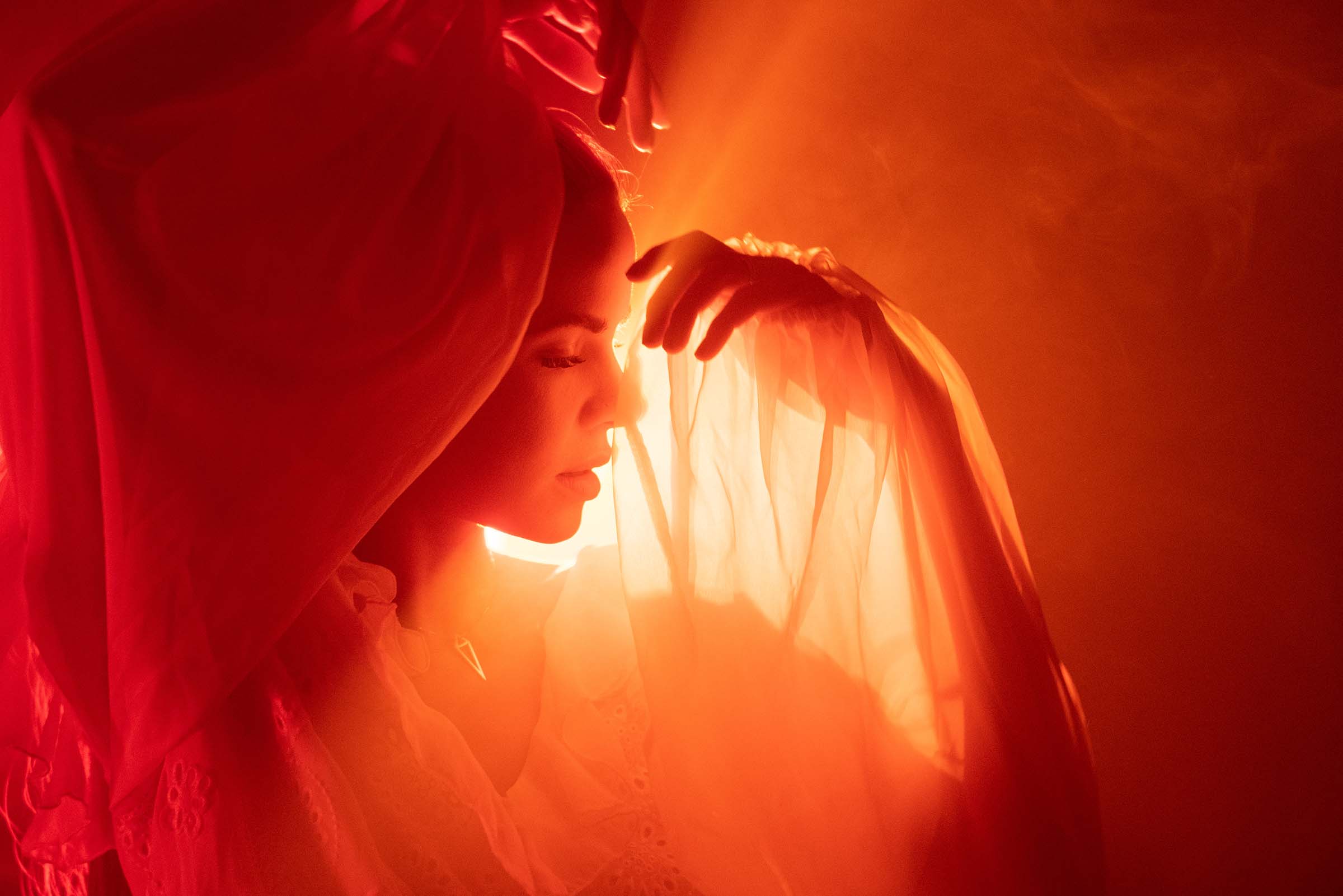
An image of a forest is a picture. An impact artwork about a forest asks: what did making this cost the living world, and what does it give back? My Prayer for the Earth series transcribes a universal prayer for the planet into visual form as an offering, a gesture of reverence and permanence. But the series is also tied to reforestation. The image and the action are one gesture. My Animalize project, intimate portraits that meet the gaze of wild animals, is inseparable from the conservation work it supports. The mural I created at a bear sanctuary in Vietnam is not a representation of rescue; it lives inside the rescue.
This is why I resist being filed under “environmental art” as though it were a style shelf. Impact art is closer to a vow. It asks the artist to be accountable for the full life of the work: its materials, its message, and its consequences. We are not separate from nature. We are expressions of it. An art practice that forgets this is decoration. An art practice that remembers it becomes a form of repair.
If you are an artist reading this, the invitation is simple and difficult: let the consequence of your work matter as much as its appearance. That is the whole methodology. Everything else is craft.